
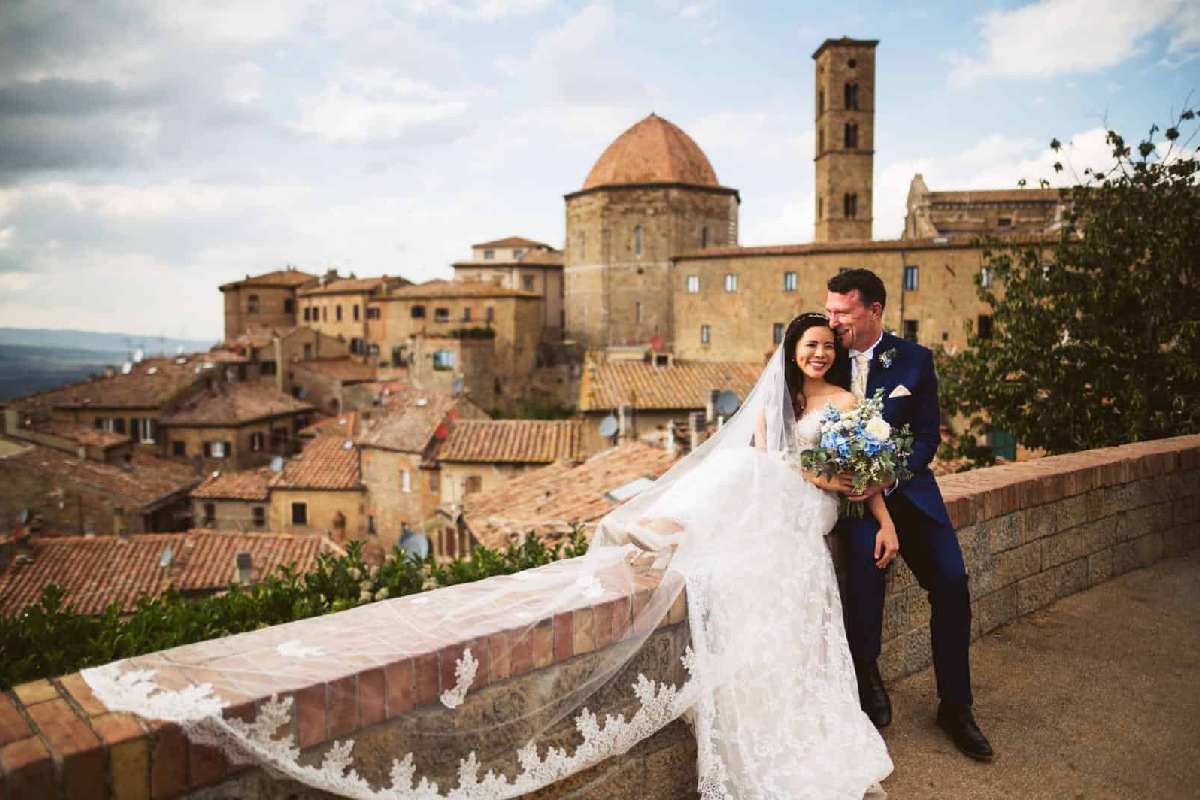
For women who carry real responsibility—family, teams, companies, capital, creative output—you already know this truth: milestones must restore you, not extract from you. By 2026, the most discerning celebrations are no longer about spectacle or social validation. They are about calibration. A wedding, in particular, has become a rare pause in a high-achieving life—a moment designed not for display, but for recovery, meaning, and future alignment. That shift demands a different kind of expertise, one rooted in listening, strategy, and biological intelligence rather than surface beauty alone.
Table of Contents
Psychological Reframing: From Performance to Meaning
Experienced wedding planners design for emotional safety, not just external approval. High-achieving women are walking away from “Pinterest-perfect” pressure because it doesn’t serve them. What they want instead is emotional resonance—being seen without performing.
In practice, an experienced Wedding Planner in Tuscany acts less like a coordinator and more like an emotional architect, and with intention not imitation. Crucial purposeful interventions in the guest and couple experience include:
- Designing moments that lower perceived scrutiny, such as shared aisle walks or conversational ceremonies
- Extending dinner timelines to prioritize storytelling over choreography
- Replacing rigid traditions with bespoke rituals that reflect values, careers, and cultural hybridity
Smaller guest counts (often 100–150) aren’t about exclusivity—they’re about exposure. When the room is intentional, nothing is filler. This is where specialization matters. Generic timelines collapse here; thoughtful strategy thrives.
Curating for Biological Resilience: Planning for Energy, Not Endurance
A wedding that drains the bride is a design failure. In 2026, high-performance women expect their celebrations to respect biology. That means understanding circadian rhythm, glucose stability, and nervous-system recovery—not just aesthetics.
Specialized teams now build timelines around human energy curves:
- Ceremonies aligned with peak cognitive clarity
- Receptions timed for natural social elevation, not forced momentum
- Menus designed as nutritional infrastructure, using fresh, enzyme-rich ingredients to prevent crashes
The most telling shift? The day after. Farewell brunches are being replaced by recovery-focused mornings such as breathwork, mineral therapies, gentle movement, so the transition back to life feels grounded, not depleted. This is not indulgence; it’s professional-grade self-respect.
Material Intelligence: Legacy over Waste
Sustainability is a signal of status and foresight. For the modern woman, excess waste is no longer glamorous—it’s cognitively heavy. In 2026, sustainability has matured into material intelligence.
This shows up in choices that carry forward:
- Veils embroidered with personal handwriting, becoming heirlooms rather than relics
- Sculptural installations built from stone, steel, or drapery—designed to be repurposed, gifted, or archived
- A shift toward “Inox” aesthetics: stainless steel, restrained metallics, and editorial finishes that mirror professional identity rather than romantic clichés
These decisions require suppliers who think beyond single-use beauty. Craft, sourcing, and long-term value are no longer optional—they are the brand.
Experience as the Asset: Designing Memory, Not Backdrops
When the environment participates, the moment becomes innate and lasts. Modern women invest in experiences because experiences compound. In 2026, the event landscape is no longer passive—it interacts.
High-level design now considers:
- Theme congruence between venue history and event narrative
- Live culinary stations that turn meals into learning and sensory engagement
- Custom soundscapes and scent profiles engineered to enhance emotional encoding and long-term memory
This is where listening becomes critical. One-size-fits-all experiences fall flat. Precision-crafted ones create moments guests remember for decades—and that couples carry forward as emotional capital.
In essence, the modern woman does not need a louder wedding—she needs a wiser one. In 2026, the most powerful celebrations are engineered with restraint, intelligence, and respect for human limits. When expertise replaces imitation and strategy replaces spectacle, a wedding becomes more than a milestone—it becomes a regenerative anchor. That is the difference between an event that happens once and a moment that strengthens everything that follows.