

Dresses have a unique way of imparting elegance and gracefulness, making them a vital element in every woman’s wardrobe. Whether it’s a casual day out or a formal event, the right dress can make a significant statement. Understanding how to style dresses to match the occasion, your personal taste, and the current trends can take your fashion game to the next level. In this article, we’ll delve into how to decode dress codes, accessorize effortlessly, select the right footwear, layer smartly, and blend seasonal trends to ensure your dress ensemble is always on point. Keep reading for expert tips on elevating your dress-wearing experience.
Table of Contents
Understanding Dress Codes for Different Occasions
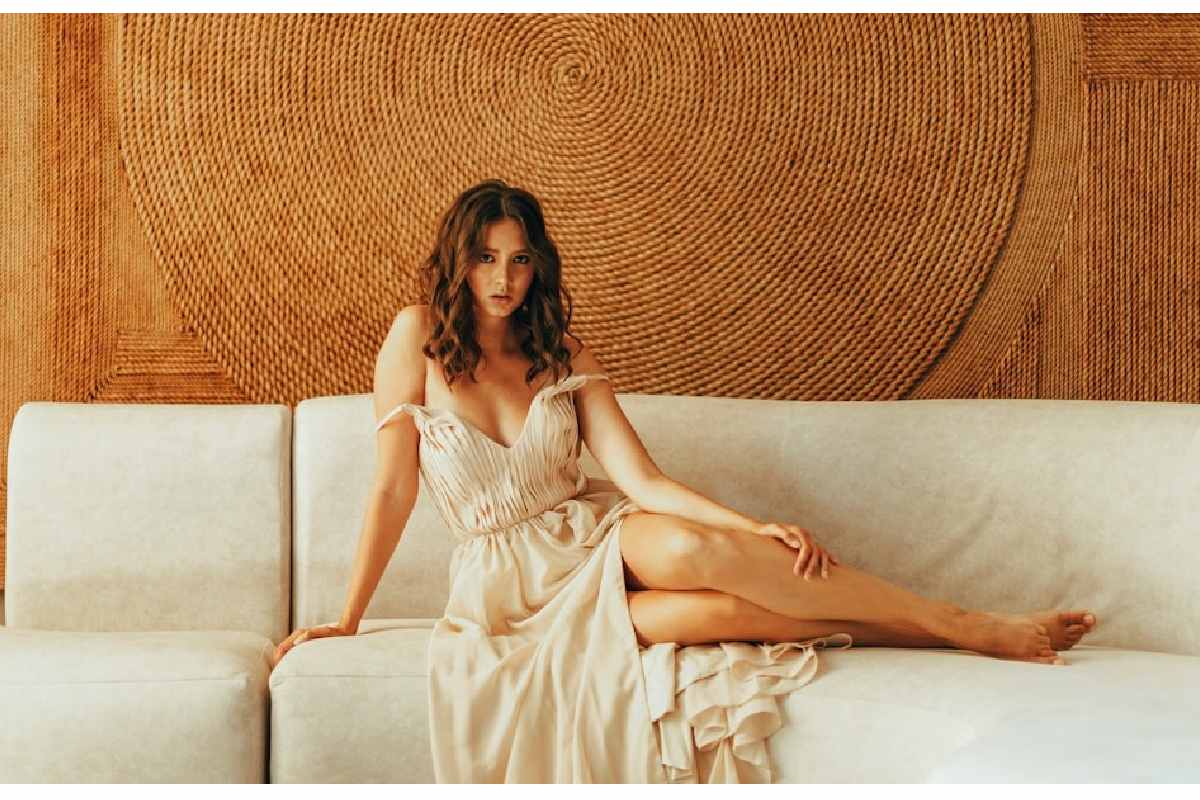
Deciphering a dress code is the key to dressing appropriately for any occasion. Formal events like black-tie affairs usually call for elegant floor-length gowns or sophisticated cocktail dresses, while semi-formal or dressy casual gatherings allow more playful fabrics and lengths. Corporate settings often favor conservative styles in neutral colors, such as tailored sheaths or A-line dresses, to convey professionalism. Casual daytime events, on the other hand, give you the freedom to experiment with colors, patterns, and relaxed silhouettes that balance comfort and style.
Understanding hemlines also helps refine your look. Pieces like robes midi et maxi pour un style féminin raffiné are versatile and can be dressed up or down depending on the event. Midi lengths bring sophistication for brunches or teas, while maxi dresses suit beach weddings or bohemian-themed parties. For themed or cultural events, researching the context ensures your outfit is respectful, and thoughtful accessories or color choices can help merge appropriateness with style.
Accessorizing Your Dress for a Chic Look
Accessories can dramatically transform any dress. Jewelry choices depend on the dress style: minimalistic pieces like stud earrings or sleek bracelets suit high-neck or detailed designs, while statement necklaces or chandelier earrings enhance plunging necklines or solid colors. Handbags and clutches serve both function and style, with structured clutches adding sophistication and patterned crossbody bags creating a playful touch.
Belts can define the waist and alter a dress’s silhouette. Climate affects accessory decisions, with scarves, wraps, or shawls adding warmth and texture in cooler weather, and lightweight scarves providing style in warmer months. Hair accessories, such as pins, headbands, or floral crowns, offer personalized touches. Balance is essential to complement the dress without overpowering it.
Choosing the Right Footwear to Complement Your Dress
Footwear significantly affects the style and comfort of a dress. For formal events, classic heels in neutral tones like black or nude create elegance, while stilettos,or dressy flats are also suitable. Dresses with bold patterns benefit from solid, complementary shoes, whereas simpler outfits allow for statement footwear with vibrant colors, prints, or embellishments.
Sneakers or ankle boots can modernize certain dresses for a casual look. Comfort is essential, with wide heels, wedges, platforms, or ballet flats offering support for extended wear. Seasonal considerations influence choice, with open-toed sandals suited for warmer months and closed-toe pumps or boots for cooler weather, all while maintaining style and practicality.
Layering Techniques for Versatile Dress Styling
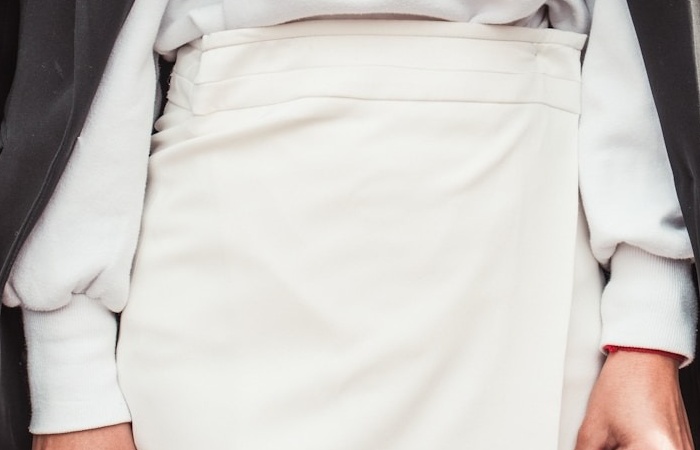
Layering allows dresses to adapt to different temperatures, settings, and styles. A tailored blazer can transform a dress into a professional outfit, while a denim jacket can create a casual look for weekends. In colder weather, combining textures like knit cardigans or turtleneck sweaters under sleeveless dresses adds warmth and visual interest.
Scarves, shawls, and silk wraps offer both style and practicality, with varied lengths and styles of outer layers changing the dress’s silhouette and formality. Undergarments and slips enhance comfort, opacity, and the fit of sheer or lightweight fabrics, ensuring dresses maintain a polished and refined appearance while expanding their versatility for different occasions.
Incorporating Seasonal Trends into Classic Dress Styles
Classic dress styles remain essential, but incorporating seasonal trends can refresh a wardrobe. Elements like puff sleeves, ruffles, or cut-outs update timeless silhouettes, while using seasonal colors adds vibrancy. Fabric choices shift with the weather, with lightweight materials like linen and cotton for summer, and velvet or wool for winter.
Layering slip dresses over turtlenecks or long sleeves creates practicality and style in cooler months. Prints and patterns also evolve, with florals adapting to autumnal tones and bold geometrics softened with neutral layers. Mixing trends allows personalization, such as pairing an off-the-shoulder dress with boots and a faux-fur vest, keeping a versatile foundation while reflecting seasonal fashion.
Altogether, dressing stylishly involves a blend of occasion-appropriate choices, accessorizing wisely, selecting complementary footwear, mastering the art of layering, and keeping an eye on current trends. It’s about creating harmony between your personal style and the functional needs of your outfit, allowing you to step out in confidence and elegance no matter the dress or destination.