
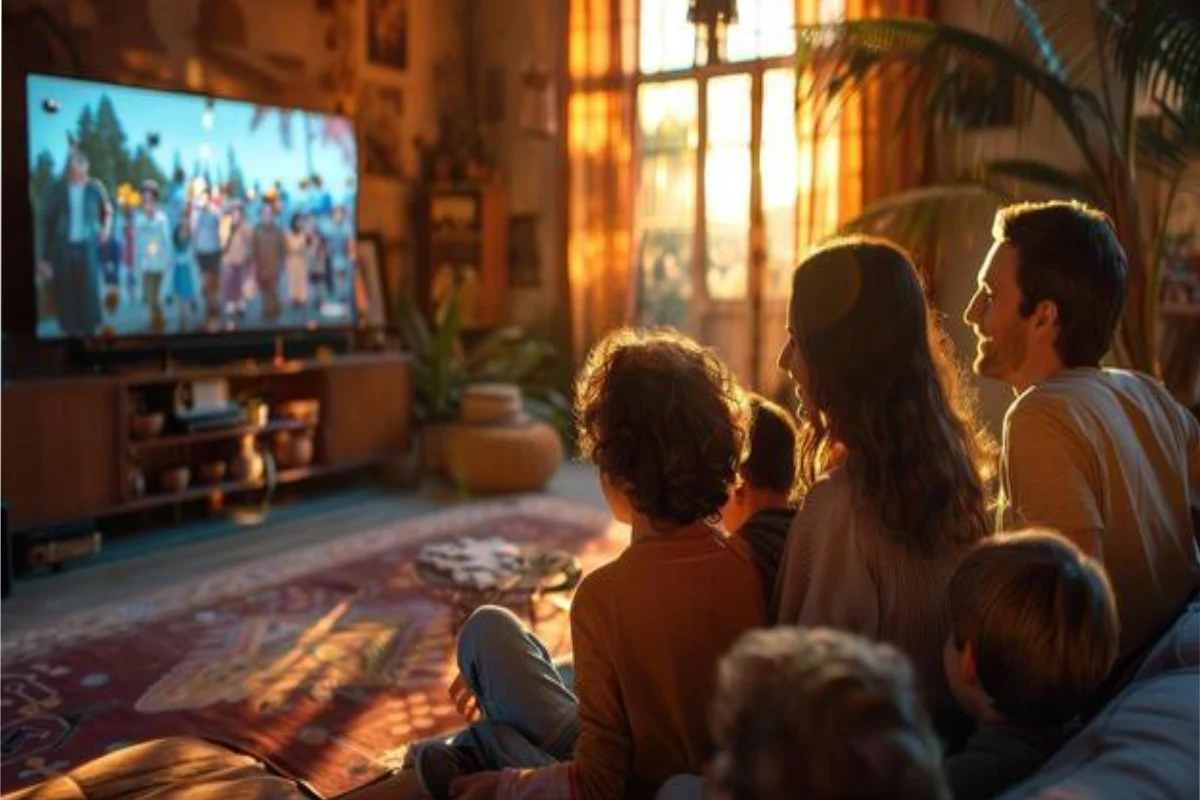
There’s something quietly powerful about the simple act of sitting together as a family and watching a movie. The lights dim, everyone settles in, and for the next hour and a half, the outside world pauses. No one is checking notifications, rushing to after-school activities, or disappearing into separate rooms with separate screens. For that window of time, everyone is present — laughing at the same jokes, holding their breath at the same tense moments, and sharing the same emotional experience. In a world where family members increasingly consume content independently and in isolation, finding family movies to watch together online has become one of the most accessible and genuinely meaningful ways to reclaim shared time and create the kinds of memories that hold families together across the years.
It sounds simple, and in many ways it is. But the benefits of this shared experience run deeper than most families realize — touching everything from emotional development and communication to cultural values and the invisible threads of connection that define family life.
Table of Contents
Why Shared Screen Time Is Different From Individual Screen Time
The conversation around children and screen time often defaults to concern — too much screen time, too much passive consumption, too much digital distraction. And those concerns have merit. But there’s an important distinction that often gets lost in that conversation: not all screen time is created equal.
There is a meaningful difference between a child sitting alone watching whatever the algorithm recommends next, and a family choosing a film together, watching it side by side, and talking about it afterward. The first is passive and solitary. The second is interactive, relational, and often surprisingly educational.
When families watch movies together, they naturally create opportunities for conversation that might not arise otherwise. A story about a character facing a moral dilemma becomes an opening to discuss values. A historical film sparks curiosity about a period of history the children had never considered. An emotional scene about loss or forgiveness creates space for children to process their own feelings in the safe context of fiction — a psychological function that storytelling has served for human beings across every culture and throughout all of history.
The Value of Intentional Movie Selection
Not every movie provides the same quality of shared experience, and part of what makes family movie time genuinely valuable is the intentionality behind the selection process.
When families seek out family movies to watch together online, the best choices tend to be films that operate on multiple levels simultaneously — stories that engage younger children through humor, adventure, and relatable characters while also offering themes, subtext, and emotional depth that resonate with parents. These kinds of films are genuinely rare, which is exactly what makes them so valuable when you find them.
The best family films share certain qualities regardless of genre or era. They tell stories about characters who face real challenges — loneliness, fear, moral choices, loss, and the search for belonging — and resolve them in ways that affirm values like courage, honesty, kindness, and perseverance. They create genuine emotional investment without relying on cheap thrills or inappropriate content. And they leave the family with something to talk about after the credits roll — which is often where the richest part of the shared experience actually happens.
How Online Access Has Transformed Family Movie Time
The shift to streaming and online content platforms has fundamentally changed how families access movies — and in many ways, for the better. The friction that once existed around family movie night — driving to a video store, hoping the title you wanted was in stock, dealing with late fees — has been replaced by instant, on-demand access to libraries of content from the comfort of home.
This accessibility has made it easier than ever for families to be intentional and consistent about watching movies together. Rather than treating it as a special occasion that requires significant planning, families can incorporate movie time into their regular weekly rhythm without logistical barriers getting in the way.
The ability to find family movies to watch together online also opens up opportunities that physical media never could — access to films from different countries and cultures, older classic films that might not be available at a local store, and curated collections organized around specific values, themes, or age groups. This breadth of access allows families to be genuinely thoughtful and diverse in the stories they choose to share, rather than defaulting to whatever happens to be playing or currently trending.
What Different Age Groups Need From Family Films
One of the genuine challenges of family movie time is navigating the different developmental stages and interests of children of varying ages. A film that captivates a ten-year-old might be too intense for a six-year-old, or too simplistic for a teenager. Finding films that genuinely work for everyone in the room requires some understanding of what different age groups respond to and need from the stories they watch.
Younger children — roughly ages four through seven — respond most strongly to clear, visually engaging storytelling with characters they can immediately identify with. They need stories where the emotional stakes are legible, the resolution is satisfying, and the content doesn’t introduce fears or concepts they’re not developmentally equipped to process. Animation often works particularly well for this age group, combining visual appeal with accessible emotional narratives.
Children in the eight to twelve range are ready for more complex storytelling — genuine conflict, more nuanced characters, and themes that require a bit more emotional sophistication to unpack. This age group often responds powerfully to adventure stories, coming-of-age narratives, and films that explore friendship, loyalty, and the challenge of doing the right thing under pressure.
Teenagers bring their own set of needs and preferences to family movie time, and meeting them where they are matters. Films that take their intelligence seriously, explore identity and belonging, and don’t talk down to them tend to land best. Teenagers who feel that their taste and perspective is respected in the family movie selection process are far more likely to engage genuinely with the experience rather than tolerating it reluctantly.
The magic of the best family films is that they navigate all of these different needs simultaneously — telling a story that every member of the family finds genuinely engaging at their own level of understanding and emotional development.
Creating Rituals Around Family Movie Time
One of the underappreciated aspects of regular family movie nights is the ritual dimension — the consistency and predictability that transforms a one-off activity into something the family anticipates, plans for, and associates with warmth and togetherness.
Families that establish regular movie nights — same night of the week, same comfortable setup, same popcorn tradition — report that the ritual itself becomes meaningful over time, independent of whatever film happens to be playing. Children grow up with vivid memories not just of specific films they watched, but of the feeling of being together, the comfort of the family room, the particular warmth of those shared evenings.
Building this kind of ritual around finding the right family movies to watch together online is genuinely simple. It doesn’t require expense or elaborate preparation. It requires consistency, intentionality about content selection, and the willingness to put down individual screens in favor of a shared one.
The Stories That Bind Families Together
Families share a language of references — inside jokes, remembered scenes, quotes that resurface years later. These shared cultural touchstones are one of the quiet ingredients of family identity, part of what makes a family feel like a cohesive unit rather than just a group of people who happen to share a home.
Movies are one of the richest sources of these shared references. A line from a beloved film watched together years ago becomes shorthand for a whole emotional memory. A character’s journey becomes a reference point for talking about real situations the family faces. These connections are built over time, one shared viewing experience at a time.
In a world that often pulls families in separate directions — different schedules, different interests, different digital environments — the intentional act of gathering around a shared story remains one of the most human and most powerful tools a family has for staying genuinely connected. The films you watch together become part of your family’s story — and that’s worth more than any individual streaming recommendation could ever capture.
